How to Build Low Cortisol Aim in Valorant Like a Calm Phoenix Main
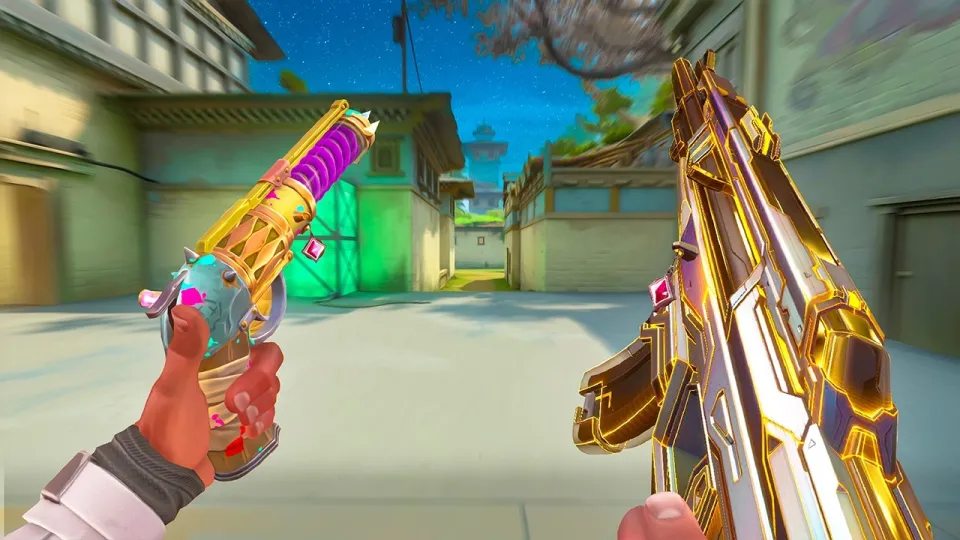
Video: low cortisol aim..
Want articles like this for your own video to promote it on YouTube and Google? Order them through the Telegram bot @sat_sit_bot. The bot writes and publishes the articles itself (with your YouTube video embedded) on popular topical websites (no ads). Your first 50 articles are free.
· based on the channel Rawzu
Low cortisol aim in Valorant means keeping your hands, breathing and decision-making relaxed so your crosshair moves smoothly instead of snapping in panic. You build it by locking one sensitivity, warming up with slow tracking and micro-adjustments, and playing Phoenix in a way that forces clean, pre-planned duels rather than reactive flicks. The approach is the core of the calm-aim style popularized by creator Rawzu, and you can start applying it today — PC tuning tips for stable frames are collected via the Hone optimization link.
What low cortisol aim actually means in Valorant
Low cortisol aim is a training philosophy, not a medical claim: it describes a player who stays physically loose during clutches and lets crosshair placement do the work. Tense aim shows up as a death grip on the mouse, raised shoulders, fast shallow breathing and constant re-flicking after a miss. Calm aim looks boring on stream — small corrections, steady tracking, and shots that land because the crosshair was already in the right place.
The idea is simple: your first shot should come from preparation, not from a reaction sprint. In Valorant, where a Vandal headshot kills in one bullet, the player who is already aimed at the angle wins more often than the player with the faster flick. Rawzu's calm-aim clips lean on exactly this — smooth movement, quiet crosshair, no wasted swings.
Rawzu's Valorant settings and gear
Rawzu's Valorant setup is built around consistency: a low sensitivity, a stretched resolution and a high-refresh monitor so the calm style has no technical excuse to break. These are the exact values published with the video.
- Sensitivity: 400 DPI at 0.625 in-game — roughly 250 eDPI, which is on the low side and rewards arm movement over wrist flicks.
- Resolution: 1440x1080, a stretched 4:3-style aspect that widens enemy models and makes heads easier to track.
- Crosshair: 1-6-2-2 — a compact dot-and-line setup that keeps the center of the screen readable.
- Mouse: Logitech G Pro X Superlight 2, a lightweight wireless shape that suits low-sens arm aiming.
- Mousepad: Artisan Zero Soft, a control-oriented cloth pad that adds stopping power for micro-adjustments.
- Monitor: Zowie XL2566K at 360 Hz, which reduces motion blur during fast peeks.
A low eDPI is not mandatory for calm aim, but it makes the style easier to learn: big turns require the arm, and the wrist stays free for small corrections. If you copy the sensitivity, give it at least a week of deathmatch before judging it — switching numbers every session is the opposite of a low cortisol routine.
How to train calm aim step by step
Calm aim is trainable with a short daily routine that prioritizes smoothness over speed. The goal is to make slow, accurate movement your default so that pressure situations pull you back to it instead of into a panic flick.
- Warm up for 5–10 minutes in the Range with bots at a fixed distance, tracking heads with slow horizontal sweeps and no shooting.
- Add micro-corrections: place the crosshair slightly off a bot's head, then move it back with the smallest possible wrist motion.
- Play one deathmatch with a rule — no flicking past a target. If you overshoot, reset and re-aim deliberately.
- Breathe out as you take each shot; a held breath tightens the shoulder and adds jitter to the crosshair.
- Loosen your grip between rounds. If your fingers ache after a match, you were squeezing, not aiming.
- Review one clip per session and count wasted crosshair swings rather than missed kills.
The same logic applies to movement: counter-strafing into a shot and stopping before you fire produces more consistent headshots than running and spraying. A relaxed player stops, aims, shoots, and repositions — a tense player does all four at once.
Why Phoenix suits a relaxed duelist playstyle
Phoenix rewards players who take fights on their own terms, which is exactly what calm aim enables. His Curveball flash blinds enemies even around corners, Blaze creates a vision-blocking wall that also damages anyone pushing through it, and Hot Hands gives self-healing plus area denial. The Run it Back ultimate lets him dive aggressively and return to safety if the trade goes wrong.
That kit means you rarely need a desperate flick. Flash first, walk the wall, pre-aim the common angle, and the duel is decided before the enemy appears on your screen. On a map like Icebox, where long sightlines and tight corridors alternate, Phoenix can hold a lane with Blaze and take short-range fights with Hot Hands — both situations where steady crosshair placement beats raw reaction speed.
Common questions about the calm aim style
Viewers of calm-aim clips tend to raise the same doubts, and most of them come down to setup and expectations. The first is whether such smooth aim is even human — yes, it is, but it is the product of hundreds of hours of the same sensitivity and the same routine, not a secret setting. The second is whether a low sensitivity works for everyone: players with small desks or wrist-only aiming often do better around 280–320 eDPI rather than copying a pro number outright.
Another recurring question is about movement — many viewers notice that the strafing and peeking look cleaner than the aim itself, which is the point: good counter-strafing makes aim look effortless. Finally, there is the audio side: some clips include loud or unexpected moments, so watching with moderate volume is a fair warning for anyone using speakers. None of these factors require special hardware beyond a mouse that fits your hand and a pad with reliable stopping power.
Useful links
- PC optimization for Valorant: https://hone.gg/a/rawzu
- Rawzu's original music on Spotify: https://open.spotify.com/artist/6DbATPR1PTNMx7U918bg1Q
- Rawzu's Discord community: https://discord.gg/axnFwyvxp3
Final takeaway
Low cortisol aim in Valorant is a habit: one sensitivity, a short smoothness-first warm-up, loose hands and fights that start from preparation instead of panic. Copy Rawzu's 400 DPI / 0.625 setup and 1-6-2-2 crosshair as a starting point, then adapt the eDPI to your desk and grip. Play Phoenix with flashes and walls that set up the duel, and review your clips for wasted crosshair movement rather than missed kills. The channel Rawzu is the source of this calm-aim breakdown, and if you want stable frames to support the routine, start with the Hone PC optimization page.
Key takeaways
- Low cortisol aim means staying relaxed under pressure instead of tensing up and flicking harder.
- Rawzu runs 400 DPI at 0.625 sensitivity with a 1440x1080 resolution and crosshair 1-6-2-2.
- Gear in the setup: Logitech G Pro X Superlight 2, Artisan Zero Soft pad, Zowie XL2566K at 360 Hz.
- Phoenix pairs Curveball flashes with Blaze walls and Hot Hands to win duels without over-aiming.
- The calm style is built in deathmatch and aim routines, not by changing sensitivity every week.
Questions & answers
What sensitivity does Rawzu use in Valorant?
Rawzu plays at 400 DPI with 0.625 in-game sensitivity, which works out to about 250 eDPI. That is a low-sensitivity setup built for arm aiming and steady tracking. Pair it with a large control mousepad before judging it.
Is low cortisol aim just a slower playstyle?
No — it is about staying physically relaxed and letting crosshair placement decide fights. The crosshair still moves fast when needed, but shots come from preparation rather than panic flicks. Tension, a death grip and constant re-flicking are the things being trained out.
Do I need a 360 Hz monitor to aim calmly?
A high-refresh panel like the Zowie XL2566K at 360 Hz reduces motion blur and makes tracking feel smoother, but it is not the source of calm aim. Consistent sensitivity, a warm-up routine and clean counter-strafing matter far more than refresh rate.
Why does Phoenix fit this aiming style so well?
Phoenix's Curveball flash and Blaze wall let you set up duels before the enemy can react, so you rarely need a desperate flick. Hot Hands and Run it Back add durability for aggressive pushes. That combination rewards pre-aiming and steady crosshair placement over raw reaction speed.
Source: low cortisol aim.. · Markdown version